The Ultimate Guide to HIPAA-Compliant Electronic Signatures
Research shows that doctors spend 30% of their time on paperwork, including administrative tasks and filling out forms. This burdens staff, hinders efficiency, and can negatively impact patient care.
Electronic signatures (e-signatures) are a secure and efficient way to capture consent and approval for essential documents electronically. In healthcare, it's crucial to make sure e-signatures follow HIPAA rules to protect patient privacy.
This comprehensive guide dives deep into the world of HIPAA-compliant e-signatures. We will examine the advantages and rules of HIPAA. We will also assist you in selecting and putting into action the appropriate solution for your healthcare organization.
At the end of this guide, you will have the information and tools to use HIPAA-compliant e-signatures. This will help make workflows more efficient, improve patient satisfaction, and meet regulatory requirements.
What are HIPAA-Compliant Electronic Signatures (E-Signatures)?
HIPAA-compliant electronic signatures are digital versions of handwritten signatures that meet legal and security standards set by HIPAA. E-signatures have the same legal power as handwritten signatures on electronic documents with Protected Health Information (PHI).
Here's how it works: When someone needs to sign a document online, they use a secure e-signature platform. This platform verifies their identity through various methods, such as knowledge-based authentication or one-time passcodes. The user can securely sign the document electronically after confirming their identity. You can do this by using a digital signature or by simply clicking to sign.
The e-signature platform makes a secure record of the signing process, showing who signed, when, and at what time. This audit trail plays a crucial role in ensuring the authenticity and integrity of the e-signed document.
However, it's important to remember that not all e-signatures have the same quality. HIPAA does not have a specific format for e-signatures. However, it does have criteria to ensure the security and legality of the signature process. We'll delve deeper into these specific HIPAA requirements in the next section.
Importance of E-Signatures in Healthcare

The shift towards HIPAA-compliant e-signatures in healthcare offers many advantages for both patients and providers. Here are some key benefits:
- Improved Efficiency and Convenience: E-signatures eliminate the need for physical paperwork, streamlining workflows and saving valuable staff time. Patients can easily read and sign papers online, usually from home, which helps decrease the time waiting at the office.
- Reduced Paper Usage and Environmental Impact: Healthcare organizations can significantly reduce their environmental footprint by ditching paper forms. This translates to less paper waste and a more sustainable healthcare system.
- Enhanced Patient Experience: E-signatures make it easier for patients to fill out paperwork quickly, improving their overall experience. Additionally, the ability to electronically access and review signed documents empowers patients and fosters greater transparency.
Understanding HIPAA Requirements for E-Signatures
Legal Requirements for E-Signatures under Federal Law
The use of electronic signatures in healthcare is governed by a combination of federal and state laws. Two key federal laws provide the foundation:
- The Electronic Signatures in Global and National Commerce Act (ESIGN Act): This law says that electronic signatures and contracts are legally valid. It means they are just as important as traditional pen-and-paper signatures.
- The Uniform Electronic Transactions Act (UETA) has been adopted by most states. It sets guidelines for electronic transactions and the use of electronic signatures.
HIPAA E-Signature Requirements Explained
HIPAA doesn't give exact rules for e-signatures, but it does have strict rules to protect patient information. To be HIPAA-compliant, an e-signature solution must adhere to the following principles:
- Authentication and Signer Verification: Ensuring the identity of the person signing the document is paramount. Robust authentication methods, such as multi-factor authentication or digital certificates, are essential to verify the signer's identity.
- Record Retention and Audit Trails: A comprehensive audit trail is crucial for demonstrating compliance. E-signature solutions must securely store information on the signer's identity, the time of signing, and any document modifications. This information is crucial for maintaining the integrity and legality of the signed document. Storing this data ensures that the document's authenticity can be verified in the future. It also helps track any alterations made to the document after it was signed. These records should be tamper-proof and readily accessible for audits and investigations.
- Non-repudiation: Non-repudiation prevents signers from denying that they signed a document. E-signature solutions achieve this by creating a secure cryptographic record linking the signer to the document.
- System Security Measures: Protecting patient information is a top priority. E-signature systems must implement robust security measures, including encryption, access controls, and regular security assessments. Many commonly use encryption standards like AES-256 to safeguard data transmission and storage.
Best Practices for Implementing Secure E-Signatures
To ensure the successful and secure implementation of e-signatures in healthcare, consider the following best practices:
- Choosing a HIPAA-compliant E-Signature Solution: Select a vendor with a proven track record of HIPAA compliance. Find solutions with strong security, easy-to-use interfaces, and smooth integration with your current EHR system. Essential features include:
- Strong security measures, such as encryption and access controls
- Intuitive user interface for easy adoption
- Compatibility with popular EHR systems
- Scalability to accommodate future growth
- Establishing Clear E-Signature Policies and Procedures: Develop comprehensive policies and procedures outlining how e-signatures will be used within your organization. Define roles and responsibilities, document signing processes, and establish guidelines for record retention. Provide thorough training to staff on these policies.
- User Training on E-Signatures and HIPAA Compliance: Ensure all staff members who will use or handle e-signatures receive comprehensive training. Topics include HIPAA compliance, authentication, document security, and using the e-signature system correctly. Ongoing education is essential to keep staff updated on evolving regulations and best practices.
By following these guidelines, healthcare organizations can effectively implement HIPAA-compliant e-signatures, enhancing efficiency, improving patient experience, and mitigating compliance risks.
Boost Efficiency, Patient Satisfaction & More: Benefits of HIPAA-Compliant E-Signatures

HIPAA-compliant electronic signatures offer a host of advantages for healthcare organizations, from streamlining operations to improving patient satisfaction.
Increased Efficiency and Streamlined Workflow
Adopting e-signatures can dramatically enhance operational efficiency. By eliminating the need for paper forms, manual data entry, and physical document storage, healthcare providers can significantly reduce administrative burdens. This frees up valuable staff time to focus on patient care. Additionally, e-signatures accelerate document turnaround times, leading to faster decision-making and improved patient outcomes.
Enhanced Patient Experience and Convenience
Patients benefit immensely from the convenience of e-signatures. People can sign documents online from home, saving time and reducing the need for multiple office visits. This improved patient experience contributes to increased satisfaction and loyalty. Furthermore, electronic access to signed documents empowers patients to take an active role in their healthcare.
Improved Data Accuracy and Legibility
Manual data entry from paper forms is prone to errors. E-signatures eliminate this risk by capturing patient information directly into electronic systems. This leads to improved data accuracy, reducing the need for corrections and minimizing the potential for medical errors. Additionally, electronic documents are inherently more legible than handwritten forms, enhancing clarity and reducing the risk of misinterpretation.
Reduced Costs and Environmental Impact
Transitioning to e-signatures can yield substantial cost savings. By reducing paper consumption, printing, and storage requirements, healthcare organizations can lower operational expenses. Moreover, the environmental benefits are significant. Paperless processes contribute to a smaller carbon footprint and a more sustainable healthcare industry.
Improved Regulatory Compliance and Legal Protection
Adhering to HIPAA regulations is crucial for healthcare providers. E-signatures, when implemented correctly, can strengthen compliance efforts. By maintaining secure audit trails and implementing robust security measures, organizations can demonstrate their commitment to protecting patient privacy. In case of legal disputes, electronic records with tamper-evident e-signatures provide strong legal protection.
Healthcare organizations can improve operations, care for patients better, and reduce risks by using HIPAA-compliant e-signatures.
Key Considerations When Choosing E-Signature Software
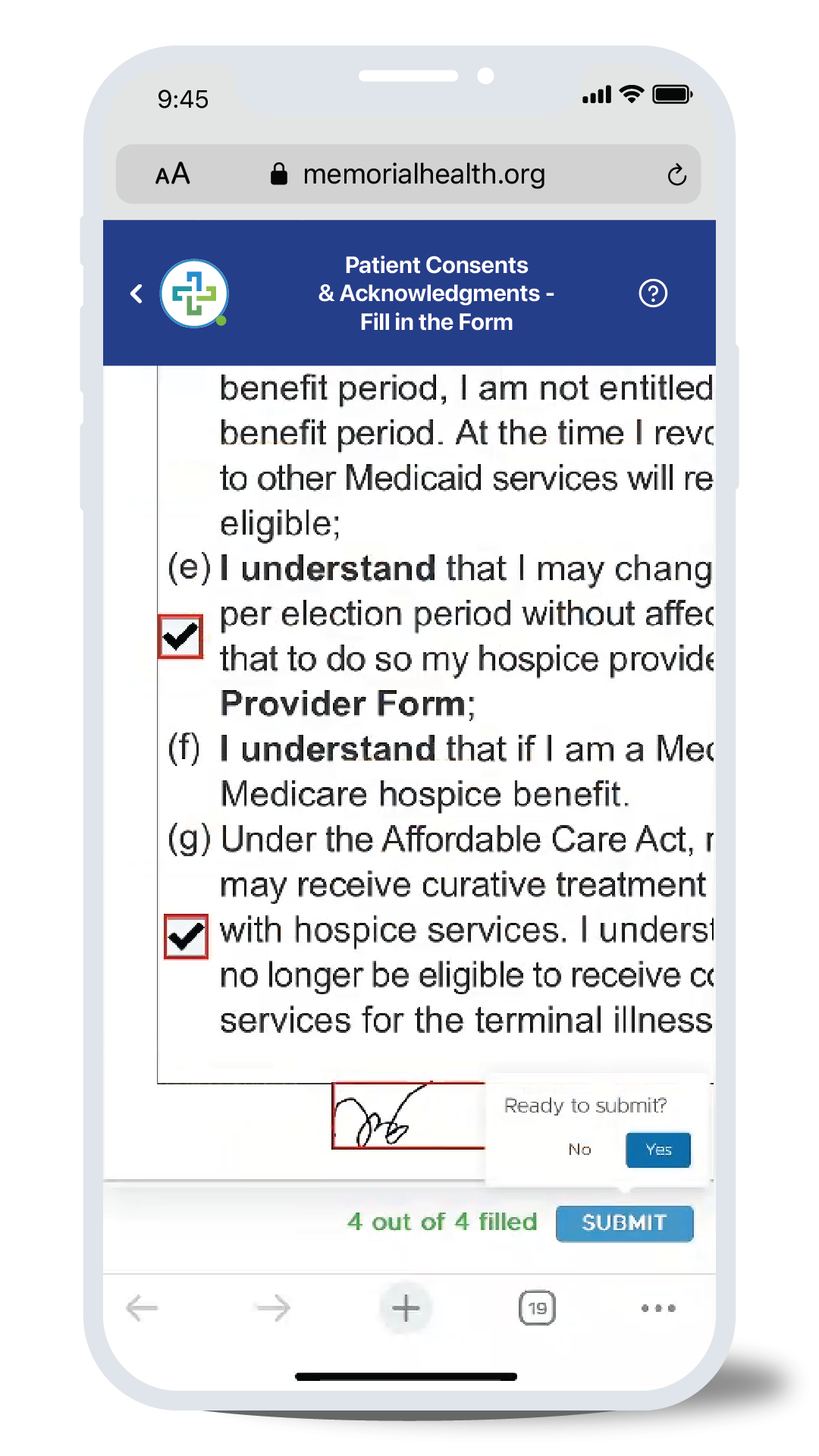
Selecting the right e-signature software is crucial for successfully implementing a HIPAA-compliant solution. Several critical factors should guide your decision-making process.
Security Features and Compliance Certifications
The paramount consideration is the vendor's commitment to security. Look for vendors with a strong track record in safeguarding sensitive patient information. Essential security features include:
- Encryption: Advanced encryption protocols like AES-256 to protect data both at rest and in transit.
- Access Controls: Robust user authentication and authorization mechanisms to prevent unauthorized access.
- Audit Trails: Detailed and tamper-proof audit logs to track document history and user activity.
- Compliance Certifications: Seek vendors with certifications such as HIPAA, HITRUST, and SOC 2, demonstrating their adherence to industry standards.
User Interface and Ease of Use
A user-friendly interface is essential for widespread adoption. Evaluate the vendor's platform for its intuitiveness and ease of navigation. Consider the following:
- Simplicity: The solution should be easy to learn and use for both staff and patients.
- Customization: Flexibility to tailor the platform to your organization's specific needs.
- Mobile Accessibility: Ensure the platform can be accessed and used on mobile devices for on-the-go convenience.
Integration Capabilities with EHR Systems
Seamless integration with your existing EHR system is vital to optimize workflows and reduce data entry errors. Look for vendors that offer native integrations or APIs to connect with popular EHR platforms.
Scalability and Flexibility to Meet Future Needs
Choose a vendor that can accommodate your organization's growth. Consider factors such as:
- User Capacity: The ability to scale the platform to support an increasing number of users.
- Document Volume: The platform's capacity to handle a growing volume of documents.
- Feature Expansion: The vendor's commitment to ongoing development and feature enhancements.
Brief Overview of E-Signature Vendor Options
This guide does not compare vendors, but it is useful to know the different options available. Generally, e-signature vendors can be categorized into:
- Standalone E-Signature Providers: These specialized vendors offer dedicated e-signature platforms with a focus on security and compliance.
- EHR-Integrated Solutions: Some EHR vendors offer built-in e-signature capabilities as part of their core platform.
- Hybrid Solutions: A combination of standalone and integrated options, providing flexibility and customization.
When evaluating vendors, request demos.
Putting It into Action: Implementing HIPAA-Compliant E-Signatures
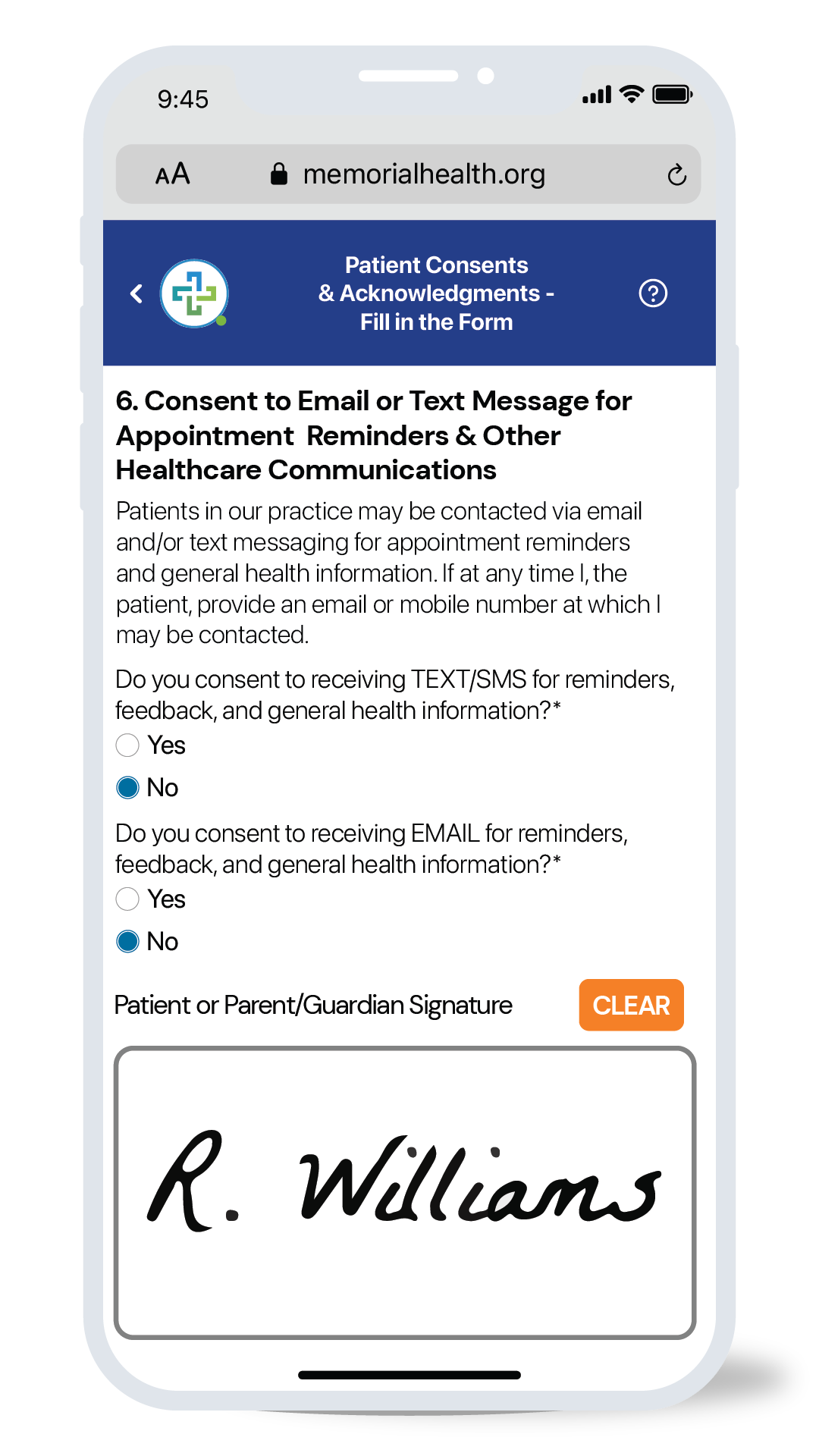
Once you've selected the ideal e-signature vendor, it's time to implement the solution within your healthcare organization. A well-structured implementation plan is crucial for a smooth transition.
Begin by conducting a thorough workflow analysis to identify areas where e-signatures can be most beneficial. This process assists in determining which documents and processes will receive priority in the initial implementation phase. Create a training program to teach staff about the new system, its features, security, and compliance rules.
Integrating e-signatures into existing workflows requires careful planning. Minimize disruptions by providing clear guidelines and support during the transition period.
Start by using the e-signature solution in a small department or with a small group of users. This will help you identify any issues and improve the process. Once you have ironed out any problems, you can then roll it out to everyone.
Regularly monitor the system's performance and gather feedback from users. Address any issues promptly and make necessary adjustments. By following these steps, healthcare organizations can successfully implement HIPAA-compliant e-signatures and reap the associated benefits.
Keeping Up with Regulations: Maintaining HIPAA Compliance with E-Signatures
HIPAA regulations are subject to change, making ongoing compliance essential. To maintain HIPAA compliance with e-signatures, healthcare organizations must adopt a proactive approach.
Regularly conduct audits and reviews of e-signature processes to identify potential vulnerabilities and ensure adherence to established policies and procedures. Implement robust internal controls to safeguard patient information and detect any unauthorized access or modifications.
Continuing education is crucial for staff. Give continuous training to keep employees updated on the newest HIPAA rules, security tips, and e-signature procedure changes. Encourage staff to report any suspicious activities or concerns related to e-signatures.
Stay informed about evolving HIPAA regulations and industry best practices. Monitor updates from regulatory agencies, industry associations, and trusted resources. By staying vigilant and adapting to changes, healthcare organizations can effectively maintain HIPAA compliance and protect patient information.
Conclusion
Electronic signatures, when part of a HIPAA-Compliant Forms Solution, have the potential to revolutionize healthcare operations by streamlining workflows, enhancing patient experiences, and strengthening security. Healthcare organizations can benefit from e-signature technology by following HIPAA rules and choosing the right solution. This helps unlock the technology's full advantages.
The future of e-signatures in healthcare holds even greater promise. Advances in mobile authentication and biometric technologies will further enhance security and convenience. As the industry adopts digital changes, e-signatures will become more important in providing efficient, patient-focused care.
To embark on your journey towards implementing HIPAA-compliant e-signatures, consider leveraging downloadable guides, consulting with industry experts, or attending relevant webinars. Your organization can use e-signatures to improve operations and patient outcomes by taking proactive steps.