Best Practices for Reducing GI Procedure No-shows and Backlogs
September 15, 2023
Reduce healthcare costs & improve patient outcomes. Learn how digital communication strategies can tackle patient no-shows & boost revenue in GI practices.


Key Takeaways
- Patient no-shows cost the healthcare industry $150 billion a year.
- Missed, canceled, and delayed appointments and backlogs are potentially harmful to outcomes.
- GI practices can reverse this challenge by digitally enabling their communication strategy with patients.
No-shows and late cancellations can have a greater impact on gastroenterology practices than in other medical specialties due to the prep time required for endoscopic procedures.
According to research, 29% of patients with gastrointestinal (GI) symptoms missed their scheduled outpatient procedures and are considered “no-shows.” Other patients either show up unprepared or cancel at the last moment, leaving little to no time for care administrators to fill vacancies with other patients.
For this 17-month cohort study at a safety-net academic medical center, the no-shows or high noncompliance with physician and procedure appointments potentially contributed to delays in preventive treatment, resulting in:
- Postponed identification and treatment of intestinal diseases such as colorectal cancer.
- Unnecessary deferrals that affect other GI patients waiting for treatment and inadvertently put their health at risk.
- Decreased gastroenterology practice revenue.
Why patients do not show up
Quite simply, forgetfulness is the No. 1 reason for patient no-shows and late cancellations. Other factors that affect patients failing to make their appointments include fear or anxiety, scheduling conflicts, inadequate insurance coverage, family (e.g., childcare) and employer obligations, and poor connection to the care team. SDoH issues such as language barriers and lack of reliable transportation contribute to the problem.
Wait time adds to the problem. The median wait time for colonoscopies is rising. One study found the wait time for a screening colonoscopy increased significantly from 73.5 days in 2019 to 161 days in 2021, which translates to more than five months from schedule to completion. No wonder patients struggle to remember when to show up or lose their paper-based bowel prep instructions.
Impact of no-shows on bottom line and outcomes
Patient no-shows cost the healthcare industry $150 billion each year. Those missed appointments, in turn, create backlogs of patients whose appointments are pushed to future dates.
The severity of these problems has been mounting for decades caused by insurer obstacles, a physician shortage in all specialties, and the trend of medical practices consolidating with bigger health systems or being bought by private equity firms. The pandemic accelerated America’s long wait time and patient backlogs, and providers are still struggling to catch up today.
The cost of no-shows results in a tremendous amount of lost revenue and profit for providers, setting the stage for potentially higher insurance premiums. Practice operations are disrupted. Doctors and staff lose precious time.
Missed appointments can adversely affect a patient’s health and continuity of care. Illnesses left untreated can become chronic conditions with complications that often require more expensive care.
Best Practices for Delivering GI Clinical Care and Financial Relief
GI medical practices and other healthcare organizations can reverse the negative trend of no-shows and its repercussions ─ patient backlogs, unprepared patients, and last-minute cancellations ─ by improving their communication with patients. Here are some best practice strategies to help ensure patients show up for scheduled appointments or procedures as well as getting them in the door faster.
Adopt a modern digital communication platform
You might be questioning, “Why do I need this?” More than just an appointment reminder, a modern digital communication platform provides the ease of 24/7 engagement with patients outside an episode of care.
A telemedicine platform provides a personalized patient experience while reducing daily demands on employees. Conversational chatbots address the root causes of barriers to care, providing patient education, resources, and guidance. It also allows patients to escalate their concerns to a live clinician.
A modern digital communication platform helps generate increased revenue. Automated reminders and instructions remind patients of their appointments to help avoid no-shows and cancellations. A large California academic health system successfully implemented QliqSOFT’s Quincy chatbots to engage patients prior to their colonoscopy appointments, resulting in a significant decrease in no-show rates, improved patient preparation, and a potential annual savings of $115,000.
Key digital technology capabilities are:
- Chatbots and self-serve tools for proactive, personalized outreach education and instruction that reinforce your organization’s care culture
- Securely texting and/or emailing patients to maximize reach
- Audiovisual support to deliver videos, fact sheets, and other simple instructions to provide an informative and engaging patient experience
- Multiple languages that represent your population demographics
- Personalized branding to build trust and increase patient open rates
- Custom forms and consents to capture digital signatures, medical history, insurance, concerns, symptoms, and other information. The completed paperwork saves time by automating the intake process early, streamlines throughput, and helps the provider and patient focus entirely on the procedure.
- Easy escalation to a human agent to offer an easy way for people to access help when they need it.
- Campaign automation to enact outreach at scale with minimal staff burden
- Set up a sequence of proactive, personalized communications timed to the 10 or so days leading up to the procedure that prompts the patient to act. Include reminders, education, pre-visit prep instructions, an option to reschedule, and digital intake.
- Integration with the practice’s electronic health record (EHR) application
- Reduces staff burden by automatically identifying patients early needing outreach via the scheduling system
- Personalizes the patient’s experience and communication by incorporating important details, such as their physician’s name, type of screening exam, and more
- Reporting to monitor the platform’s effectiveness and key success metrics
Capture mobile phone numbers in the designated cell phone field
While this best practice seems obvious, the healthcare industry historically has not consistently requested patients to provide this important information. Capturing mobile phone numbers in a distinct cell phone field was never a priority until smartphone usage expanded. Today, patients’ mobile numbers matter. Here is what you can do to capture this critical data:
- Double-check to ensure your EHR system has a discreet mobile phone number field
- Analyze current patient data quality and provide feedback to staff
- Communicate the importance of cleaning up and maintaining cell phone numbers to staff
- Give talking points to staff to use in case patients question them about why they must disclose their mobile numbers. The talking points can explain the ease and purpose of different practice communications made possible through smartphones.
- Consider staff incentives based on data quality metrics or performance to encourage staff behavioral change

Build digital trust to encourage participation in secure messaging
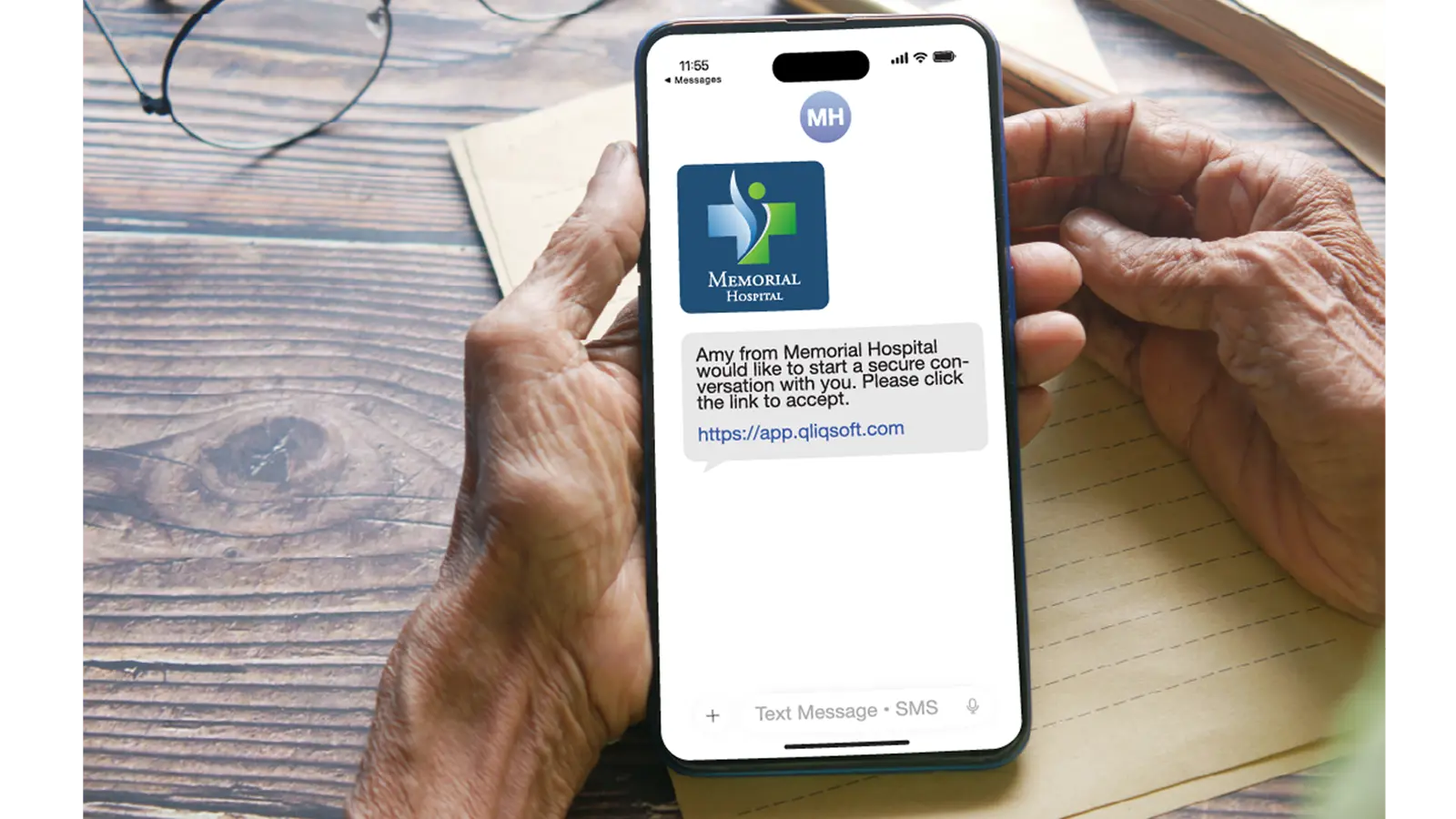
With the staggering proliferation of phishing and malware targeting providers, patients have every right to be concerned whether a link they are being asked to click on is legitimate or spam. Gain patients’ trust in the links that you send by reinforcing that your online communication is safe.
- Remind patients of your digital outreach program through simple tactics, such as verbally communicating this message when they check in; displaying signage and literature in the office; and preparing a messaging script to advocate benefits. Provide an option for patients to opt-out.
- Identify your organization by name and establish a standard way of greeting patients in all patient messages or interactions.
- Consider upgrading to a toll-free phone number and MMS messaging which supports logo inclusion.
- Include personal (not PHI) information in the message to reinforce the patient is known to you. Patients may perceive generic messages as spam.
Text and email patient appointment reminders
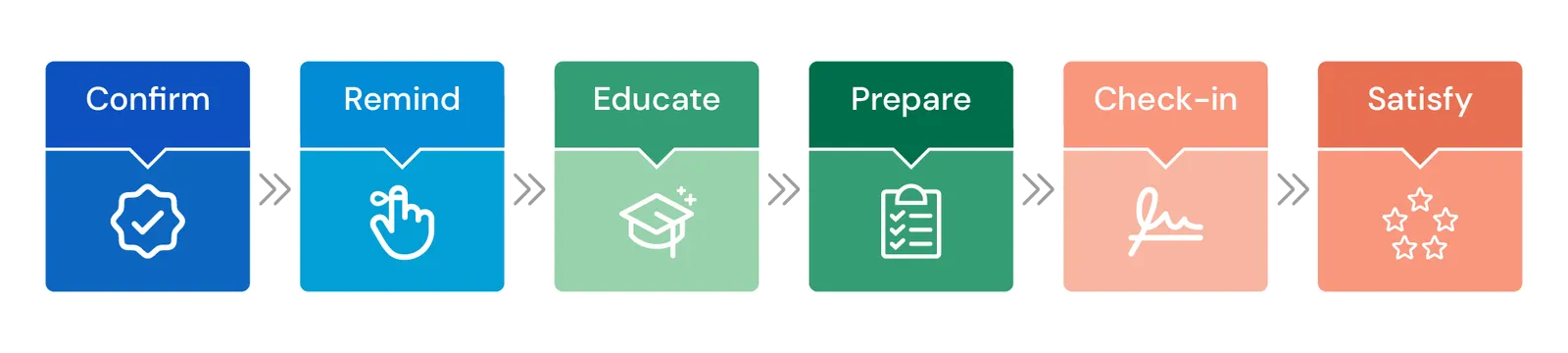
Research finds that 29% of GI patients do not show up for their procedures and are considered no-shows. At QliqSOFT, we offer a series of six personalized chatbots timed to launch when the patient needs to act prior to their colonoscopy procedure. The digital outreach standardized patient education and bowel prep resulted in reduced no-shows by 36%, dramatically increased potential practice revenue, reduced delays in care, and shortened wait times.
Incorporate relevant SDoH screening
Other reasons causing missed medical appointments are social determinants of health (SDoH) factors, such as vehicle transport challenges, cost concerns or insurance coverage lapse, health status, family commitments, childcare issues, language barriers, and lack of interpreters. Screening upfront for socioeconomic influences empowers providers to proactively address these needs or reschedule the patient’s visit. The use of a chatbot can further help escalate the patient to a human agent for resolution.
Healthcare organizations participating in value-based care programs such as accountable care organizations (ACOs) also may benefit from incorporating the capture of SDoH needs into their programs. The ACO Realizing Equity, Access, and Community Health (ACO REACH) model is aimed at improving equity and encourages the collection and sharing of data on population groups and needs. Physicians and their staff at medical practices are in a prime position to collect SDoH data to identify disparities that have profound effects on outcomes.
Provide an easy option to confirm and reschedule early
As lengthening of delays increases between scheduling and procedure completion, ample opportunity for conflicts can develop. Long call wait times also present obstacles to patients reaching out to cancel or reschedule appointments. Consider:
- Identifying a scheduling conflict early. Create an easy, seamless digital way for the patient to cancel or reschedule. Not only will this action reduce no-shows, it also offers the option for the patient to reschedule while another patient moves forward to schedule their visit.
- Launching a practice-branded chatbot to digitally escalate a patient’s rescheduling request to a human agent for fast handling, bypassing traditional telephone and content center queues.
Offer personalized digital education timed to when the patient needs to act
About 36% of surveyed adults have basic or below basic health literacy skills. With digestive disorders being one of the most common ailments facing Americans, communicating in simple terms is crucial.
A recent study revealed that GI patients’ health literacy levels are negatively associated with their health outcomes. The research findings further conclude that patient outcomes can potentially be enhanced as more emphasis is put on improving patient health literacy.
Patients may struggle to convert generic paper-based standard instructions into what they need to do. GI providers can employ personalized digital chatbots to convert and share the easy-to-lose, paper-based instructions and deliver instructions at the time the patient needs to act.

Automate digital intake processes
Through digital self-services, GI and other practices can empower patients to perform routine activities online, such as scheduling and preparing for appointments, and completing insurance forms.
Streamlining the intake process increases patient throughput, reducing staff effort by automating the sending and uploading of patient consents and other forms prior to the procedure. By laser-focusing on operational efficiency and reducing administrative burdens and costs, organizations can reduce patient no-shows and backlogs, retain skilled healthcare professionals, and increase convenience for patients and staff.
Reinforce post-procedure instructions
Forty-one percent of respondents to a McKinsey & Company survey believed that lack of clarity of information and instructions provided following an acute event led to unplanned care. Post-procedure, patients are confused and groggy undergoing body repair and recovery. They are often unable to comprehend the post-discharge verbal instructions and remember new information.
To address this pain point in patients’ post-procedure experiences, providers can help patients make better decisions by making relevant information quickly available at their fingertips. Staff members can text simple instructions on post-procedure care, describe the signs and symptoms that require intervention, and list resources including how to reach their physician to seek help to reduce avoidable healthcare costs.
Actively solicit feedback from patients and staff
Achieving patient satisfaction is your most important metric at every stage of the consumer’s healthcare journey, and here is why:
- Patient satisfaction or experience with colorectal cancer screening can determine adherence to screening programs, and
- For organized screening programs to have the expected population impact, it is essential that participation and adherence rates are high.
The importance of soliciting patient and staff feedback further optimizes your screening program. But timing matters. Solicit the patient’s feedback the day of or the day after their procedure. Follow up on concerns promptly.
In line with patient satisfaction is the opportunity to collect patient reviews, deemed increasingly critical to grow your practice, outpacing your competition. Getting patient reviews is also necessary to improve a clinician’s rating. Fifty-four percent of consumers use patient reviews to form their own opinion of a doctor or other healthcare provider.
Define metrics and monitor performance
When implementing change, it is important to track and manage performance. Define your target metrics, identify and capture baseline metrics, and track and monitor performance on an ongoing basis. Our suggested metrics are:
- No-show rates, including the financial impact
- Valid phone number capture
- Delivery rates for each campaign message
- Open rates for each campaign message
- Completion rates for each chatbot
- Patient satisfaction and feedback
- Staff satisfaction and feedback
- Number and quality of patient reviews completed
Metrics are an essential part of the strategic planning process, so share them at team meetings and discuss the findings and gleaned insights. Celebrate successes and continuously solicit ideas for making the program even better. Optimizing digital patient engagement performance leads to informed decisions, smarter problem-solving, and maximum ROI. Metrics go a long way to move outputs to desired outcomes.
- Reduces backlogs
- Improves revenue
- Improves staff satisfaction
- Improves patient satisfaction
If done well, a newly improved patient communication strategy reduces no-shows and backlogs. When you incorporate digital and optimized workflows, you unlock powerful value for your GI practice - creating a virtuous circle of better customer service, higher patient and staff satisfaction, and strengthened engagement.