8 Ways Clinical Collaboration Platforms Enhance Patient Outcomes
September 9, 2025
Learn how clinical collaboration platforms streamline care coordination, improve medical adherence, reduce staff burnout, and enhance patient outcomes.


Medical practices all over the U.S. find it difficult to coordinate care across teams and locations. Even those with capable, well-rounded internal teams are often working with outdated tools that lead to delays, errors, and missed information. Naturally, harmful patient outcomes follow, costing many patients their lives.
However, armed with clinical collaboration technology, practices can more efficiently and reliably deliver care that results in better clinical outcomes. And that’s what we’ll focus on in this article. Read on for the top 8 ways clinical collaboration platforms enhance patient outcomes.
What is a Clinical Collaboration Platform and Why Is It Important?
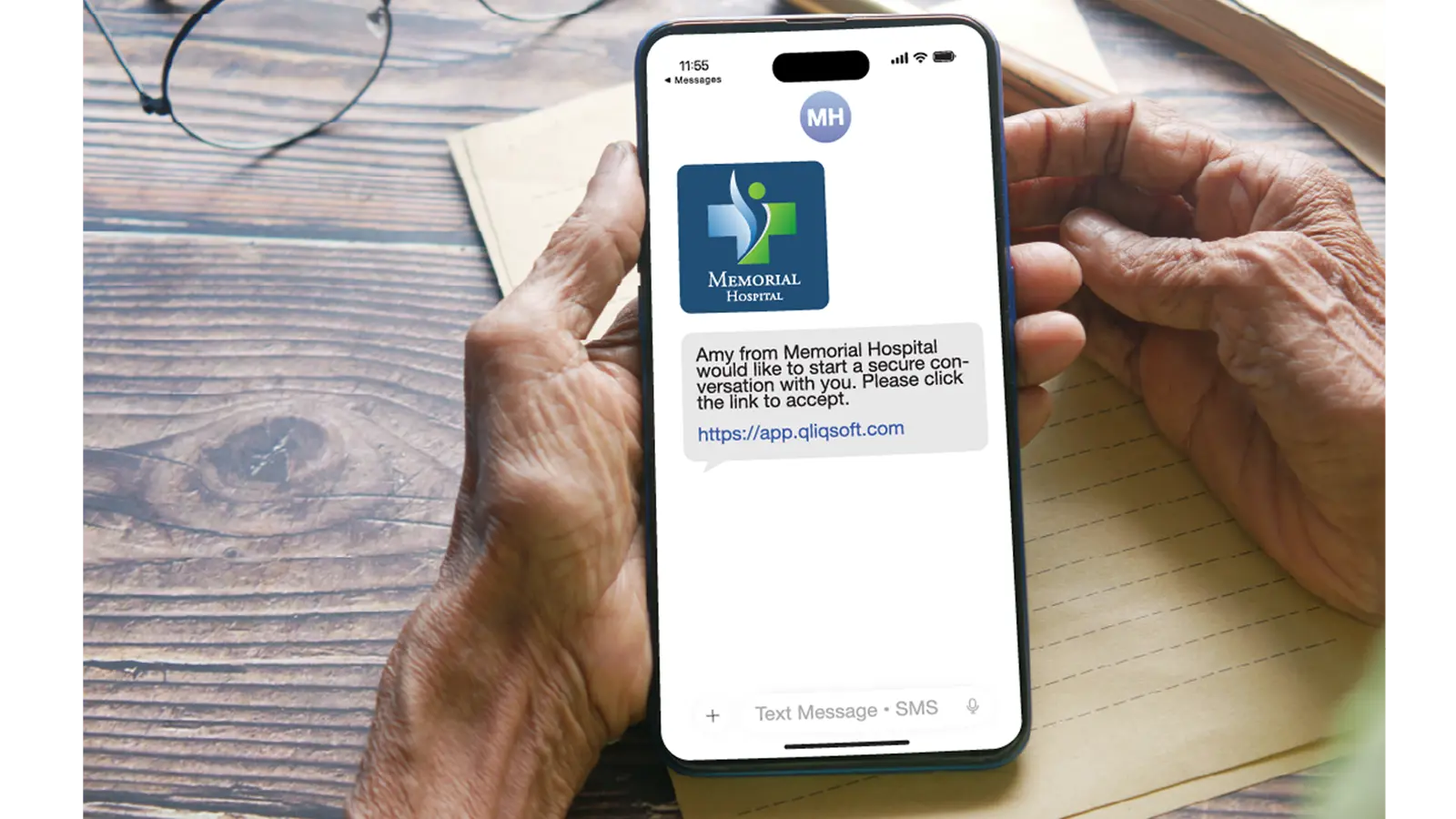
Clinical collaboration platforms are technology-enabled solutions that allow for secure healthcare communication and better workflow management. They’re designed specifically for medical practices to improve how care is delivered behind the scenes and directly with the patient.
Why Patient Outcomes Depend on Effective Collaboration in Healthcare
It may seem like top-notch care hinges on clinical expertise, but that’s not all. It’s also about how everyone collaborates to care for patients.
Poor collaboration leads to:
- Delays in test result transmission.
- Costly and dangerous medication errors.
- Gaps in routine care.
- Poor follow-up care.
- Missed details and more.
To stay on top of patient care, it’s worthwhile to invest in better collaboration. This way, all parties involved in your patients’ care can access the same up-to-date information for quick and effective decision-making and a smooth patient journey.
Also Read: How Nurses Benefit from HIPAA-Secure Texting on Healthcare
8 Proven Ways Collaborative Tools Improve Patient Outcomes
Now that we’ve stressed the appeal and usefulness of collaborative tools for clinicians and medical practice support staff let’s explore things further. Here are some specific ways this technology can lead to better patient outcomes.
1. Streamlined Care Coordination
Collaborative tools are centralized hubs for medical organizations’ team members. They boast features that enable staff to share updates in real-time for highly streamlined communication. With real-time updates, your probability of task duplication, conflicting orders, wasted time, and generalized disorganization is reduced.
Providers can use their collaborative tools to:
- View the latest patient care notes.
- Peek at the lab results.
- Check the patient’s status.
- Send messages to pertinent parties.
- Receive communication and more.
Everyone will be on the same page, which means accelerated decision-making and more cohesive care planning.
2. Improved Patient Engagement & Satisfaction
Favorable patient outcomes often hinge on patient engagement and satisfaction. And that’s because patients who feel close to their care team are more likely to adhere to their treatment plans, leading to better outcomes.
Clinical collaboration technology supports your staff by enabling a closer relationship through secure clinical communication (via portal access), easy information sharing, and more.
Also Read: 5 Digital Patient Engagement Tools You Should Know About
3. Advanced Medical Adherence
For patients to do well, they need to adhere to the medical advice provided by clinical professionals. This is nearly impossible without free communication between the patient and the care team and well-functioning staff workflows. When they have access to the right collaborative technology, medical practices can easily:
- Send reminders.
- Track adherence patterns.
- Have direct conversations with patients and their caregivers to address care plan barriers.
4. Closing Gaps in Care
For those who aren’t aware, closing gaps in care is a necessity for practices looking to prevent potentially life-threatening complications. If a patient isn’t getting the care they should receive, that patient’s health outcome may be negatively affected. In your efforts to prevent and close gaps in care, you may find a collaborative tool to be helpful in the following ways:
- Workflow automation with flagging for overdue screenings and missed follow-ups.
- Instant, secure patient messaging capabilities to get the plan of care back on track.
- Tracking of tasks and referrals to ensure that no care requirements fall through the cracks.
5. Timely Access to Virtual Care
Although no mode of care can fully replace in-person care, virtual care can be incredibly beneficial for disabled patients and rural families.
Collaborative tools with secure video capabilities enable practice staff and clinicians to support these patients. Through the technology, they can give patients the guidance necessary to administer self-care or seek a higher level of care with their PCP, a local ER, or an urgent care center.
6. Enhanced Workflow Efficiency
Does your practice use several tech tools for care provision? Many practices will answer “yes.” This is a substantial issue for your workflow.
Attaining and keeping efficiency is nearly impossible with your staff members’ and clinicians’ hands in so many different systems. With a single centralized system, your practice can combine several functions:
- Scheduling.
- Communication.
- Documentation.
- Task management and more.
Switching to one collaborative platform minimizes time spent logging in and out of systems, duplicating data entry, and ultimately wasting time.
7. Reduced Staff Burnout & Administrative Burden
Staff burnout is rife in the healthcare industry, and it may even be a prominent issue for your medical practice. Administrative issues are a major contributor, as stated in this 2024 study. Unfortunately, staff burnout and diminished patient care go hand in hand.
Fortunately, integrating a collaborative platform with appointment scheduling, patient communication, and records management into your practice’s workflows can streamline your processes. There’ll be no need for mindless, redundant data entry or stress from trying to juggle multiple disconnected systems. As a result, staff morale and frustration will improve.
Also Read: 9 Ways to Improve Patient Communication
8. Better Management of SDOH Via Conversational AI
Social determinants of health (SDOH) - non-medical factors affecting patient health outcomes - can be notoriously difficult for clinical teams to track and manage. Conversational AI features available through collaborative tools can aid in the automation of this process by using secure text, email, and form capabilities to gather SDOH information from patients. It saves busy organizations time and uncovers urgent needs that otherwise would have gone unreported.
How QliqSOFT’s Clinical Collaboration Platform Stands Out
Choosing the first clinical collaboration platform you see would be a mistake, as some are better suited to a given organization than others. And some stand a cut above the rest, like QliqSOFT. Here are a few features/aspects that make QliqSOFT uniquely valuable for patient engagement:
- Outbound patient campaigns with an included SDOH survey.
- Secure texting for healthcare issues and alerts.
- Safe healthcare chatbots with dialog capabilities.
- HIPAA-compliant form technology with EHR integration.
- Automated patient outreach.
- A no-code studio for highly customizable patient support.
Adding QliqSOFT to your practice’s workflow helps you handle clinical outreach, scheduling, and coordination with less time and effort for happier, healthier patients.
Key Considerations When Choosing a Clinical Collaboration Platform
Be sure to consider the following before selecting a clinical collaboration tool:
- Ease of use and quick integration into your existing workflows and EHR.
- Top-flight security for HIPAA compliance and patient safety.
- Scalable features to support your practice as it grows.
- Features that can be tailored to your specific practice workflows.
- Automation capabilities to take busy work off your staff members’ plates.
- High accessibility for patients of all backgrounds.
All these features and more are built into QliqSOFT’s clinical collaboration platform.
Conclusion
Clinical collaboration platforms were once thought to be optional. That’s no longer the case these days. They’re a must-have for any practice looking to enhance patient/provider communication, simplify workflows, and increase patient care efficiency. And QliqSOFT is a proven solution to help you achieve these goals for stellar patient outcomes now and into the future.
Frequently Asked Questions (FAQs)
How do clinical collaboration tools improve patient outcomes?
They reduce delays and errors by improving care coordination, speeding up decision-making, supporting faster interventions, and keeping everyone aligned on the same plan of care.
How does streamlined care coordination impact patient safety?
It helps ensure the right clinician is looped in quickly, reduces missed handoffs, and supports timely actions (like clarifying orders, sharing updates, and escalating urgent issues).
How can clinical collaboration platforms improve patient engagement and satisfaction?
They make communication more consistent and responsive, enabling patients to get timely updates, clearer instructions, and fewer “call back later” moments, which improves trust and the experience.
Can clinical collaboration platforms support medication adherence?
Yes. They can send reminders, follow-ups, and education, and make it easier for teams to monitor adherence-related gaps and intervene earlier (especially when combined with digital engagement workflows).
What does “closing gaps in care” mean, and how does collaboration help?
Closing gaps in care means identifying and resolving missed steps - like follow-ups, screenings, labs, or care plan actions. Collaboration tools help teams track, communicate, and complete those steps faster and more reliably.
How do these platforms improve access to virtual care?
They can enable or coordinate virtual visits and route patient needs to the right care team faster, reducing delays and avoiding unnecessary in-person visits.
How do clinical collaboration platforms improve workflow efficiency for staff?
They reduce phone tag, manual follow-ups, and duplicate work by centralizing communication, automating routine steps, and improving visibility into who is responsible for the next action.
How do clinical collaboration tools reduce clinician burnout and administrative burden
By automating repetitive tasks, minimizing unnecessary interruptions, reducing manual coordination, and improving routing/escalation, staff spend less time chasing updates and more time delivering care.
How can conversational AI help manage SDoH needs?
Conversational AI can screen for social determinants of health (SDoH), capture patient-reported needs, and help route next steps (resources, follow-ups, referrals) so teams can act sooner and reduce avoidable escalations.
What should healthcare organizations look for when choosing a clinical collaboration platform?
Key considerations include HIPAA-ready security, ease of use, workflow automation, role-based access, auditability, integrations with existing systems (EHR/telephony/contact center), and scalability across departments.