Picture This: Always Use a HIPAA-Compliant Camera for Patient Photos
May 1, 2018
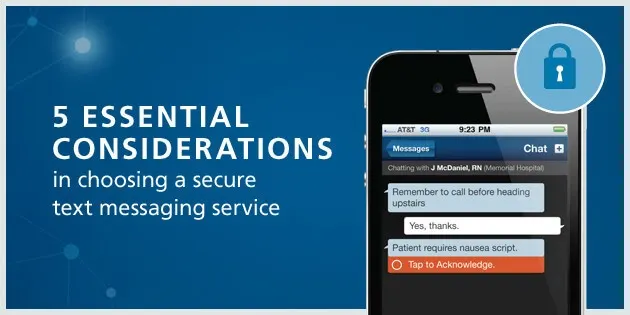
How compliant are your patient photo practices? If you use photos in patient care and those photos have any identifiable information, using a HIPAA-compliant camera is a must. The camera itself need not be bulky or inconvenient. It can be the same one on your smartphone. The difference is these photos are taken within a secure texting app.

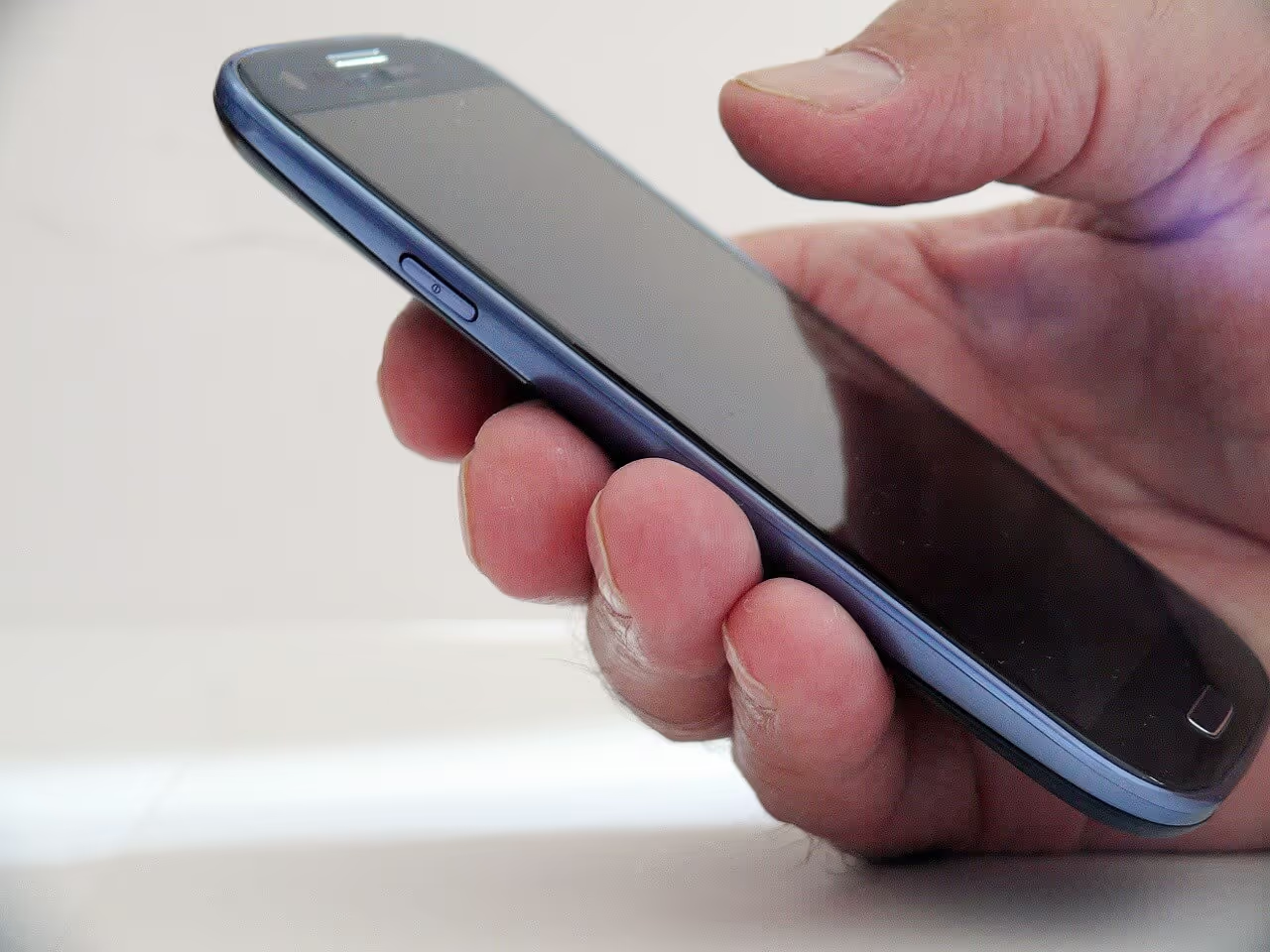
How compliant are your patient photo practices? If you use photos in patient care and those photos have any identifiable information, using a HIPAA-compliant camera is a must. The camera itself need not be bulky or inconvenient. It can be the same one on your smartphone. The difference is these photos are taken within a secure texting app. They are never stored or saved on the phone’s photo gallery or cloud. With an app, a standard smartphone camera becomes a HIPAA camera.Unfortunately, many clinicians and hospitals have not always been compliant. This has led to fines, lawsuits, and terminations. Not only did these employees not use a HIPAA camera, many also took or shared pictures that break all kinds of privacy rules. From ranting social media posts to pranks, the misuse of patient photos have real consequences. The following examples are what not to do.
Surgery Patient Sues Over Picture Prank
An anesthesiologist at a California hospital took photos of an unconscious patient after he had decorated her face with a mustache of sticky labels. He then shared the photos with colleagues and online. The patient didn’t find it so funny, suing the doctor and the hospital. A state investigation followed, ending with disciplinary action against the physician.
Physician Roasts Patient on Facebook
A former Northwestern University student was admitted to Northwestern Memorial Hospital for extreme intoxication. Apparently, this must have been quite a scene. A physician took photos of her and posted them to social media with commentary on the patient’s behavior. This triggered a lawsuit. Bottom line, posting any photos on social media related to patients should not be a practice of healthcare providers.
Photos in Surgery: Chief Resident Violates Privacy of Patient
A clinic in Rochester, Minn. was the subject a lawsuit over the acts of its chief resident of general surgery. He used his smartphone camera to take a picture of a patient's penis during surgery. Whether or not this was for medical reasons or just curiosity, it obviously was not a compliant act.
Hospital Employee is Target of Prank
A former employee of a Pennsylvania hospital sued the hospital, alleging that nude photos were taken of her during a surgery. The surgery team them showed them to the employee upon her return to work. This, in their words, was part of a practical joke. Although she admitted to attaching fake intestines to her body, she did not authorize the photos. The result of this prank gone wrong was the termination of the clinician who took the photos and the demotion of the surgeon.
Shark Attack Victim Says Photos of Wounds Unauthorized
A shark attacked becomes the basis for a lawsuit in this story. A tiger shark attacked a surfer in Oahu, Hawaii. Upon his arrival at the emergency room, photos were taken of him and his wounds. The victim later sued, claiming breach in privacy. While photos would have been necessary for this patient’s care, they were neither agreed to or taken with a HIPAA-compliant camera. The lawsuit alleged data privacy and HIPAA breaches.
Get a HIPAA-Compliant Camera with Our Secure Texting App
Qliq, from QliqSoFT, is one of the only healthcare secure texting platforms with HIPAA-compliant camera technology. Any photo taken within the app won’t save on a smartphone or cloud. It’s also never stored on our servers. Our Cloud Pass-Thru proprietary architecture allows all data to pass from one user to another. Or, load it directly to the EMR, and there are no limitations. Qliq is EMR-agnostic. Never worry about the security of your data, like you might with other third-party providers. Want to learn more about the benefits of the HIPAA camera? Learn more about our solution.
Frequently Asked Questions (FAQs)
What is a HIPAA-compliant camera for patient photos?
A HIPAA-compliant camera is a method of capturing patient images that prevents PHI from being stored in the device’s default photo gallery or personal cloud backups and supports secure sharing/storage for clinical use.
Why isn’t a regular smartphone camera HIPAA-compliant for patient photos?
A normal phone camera typically saves images to the camera roll and may automatically sync them to consumer cloud services. That creates HIPAA risk because patient photos can be copied, shared, or accessed outside approved workflows.
What makes a “secure texting app camera” different from the phone’s camera app?
A secure texting app camera captures photos inside a HIPAA-aligned workflow, so images don’t land in the phone’s personal photo gallery. The intent is to keep patient photos from being stored or backed up like normal smartphone pictures.
Can patient photos taken for “education” or “curiosity” still violate HIPAA?
Yes. Even if someone claims the photo was for learning or documentation, improper capture/storage/sharing can still be a privacy violation, especially if it’s not captured using a compliant method and not limited to authorized clinical use.
What types of incidents commonly lead to patient-photo lawsuits?
Common triggers include:
- Pranks or humiliating photos shared with others
- Posting patient-related images on social media
- Photos taken during care (including surgery) using a non-compliant phone camera
- Photos taken without clear authorization/consent where required
Can clinicians get in trouble for posting patient photos on social media even without a name?
Yes. Patient images (or context around them) can still be identified. Posting anything patient-related on social media is a high-risk practice and can lead to complaints, investigations, and lawsuits.
What should hospitals do to reduce HIPAA risk with clinical photos?
Hospitals should standardize a workflow that includes:
- A HIPAA-compliant capture method (not the native camera app)
- Clear policies for when/why photos are taken
- Role-based controls for who can access/share
- Training to prevent casual sharing and social posting
How does a HIPAA-compliant camera workflow help with clinical collaboration?
It allows care teams to capture and securely share images, so on-call providers and clinicians can view what they need without relying on insecure texting, personal photo albums, or consumer cloud syncing.